Reinventing Farming for a New Generation.




The Future of Farming: Hydroponics and Modern Agriculture
Farm Smart. Grow More.
Empowering farmers worldwide
★★★★★
Empowering Farmers Worldwide
Our mission is to educate farmers globally on hydroponics and modern farming techniques, making agriculture more efficient and sustainable for future generations.
Innovative Farming Techniques
Sustainable Agriculture Practices
We provide insights into innovative farming methods that enhance productivity while promoting environmental sustainability, ensuring a brighter future for agriculture.
Modern Farming and Why It Matters
Farming has been a part of human life for thousands of years. For centuries, people grew crops and raised animals mostly by hand. Farmers spent long days in the sun plowing fields, planting seeds, watering plants, and harvesting crops using basic tools. These methods worked well for small communities. Today the world is very different. The population is growing fast, natural resources are limited, and climate change is creating unpredictable weather.
Because of these challenges, the way we farm needs to change. Modern farming must be smarter, more efficient, and more sustainable. We cannot rely only on manual labor to feed the world. Fortunately, new technology and farming strategies are helping farmers grow more food, save time, and use fewer resources.
Less Manual Labor
One of the biggest changes in modern agriculture is reducing manual labor. Machines such as tractors, seeders, and harvesters can now do work that used to take dozens of people hours or even days to complete. Automated irrigation systems water crops evenly and efficiently. Robots are being used to plant seeds, prune plants, and pick fruits and vegetables.
Reducing manual labor allows farmers to focus on planning, analyzing data, and monitoring crops instead of performing exhausting physical work. It also reduces human error and helps farms operate on a larger scale without needing huge numbers of workers.
Smart Technology in Farming
Technology is making farming smarter, not just easier. Sensors in the soil can measure moisture levels, temperature, and nutrients. Drones can fly over fields to check plant health, detect pests, and spot areas that need attention. Data analysis and artificial intelligence help farmers predict the best times to plant, water, and harvest crops.
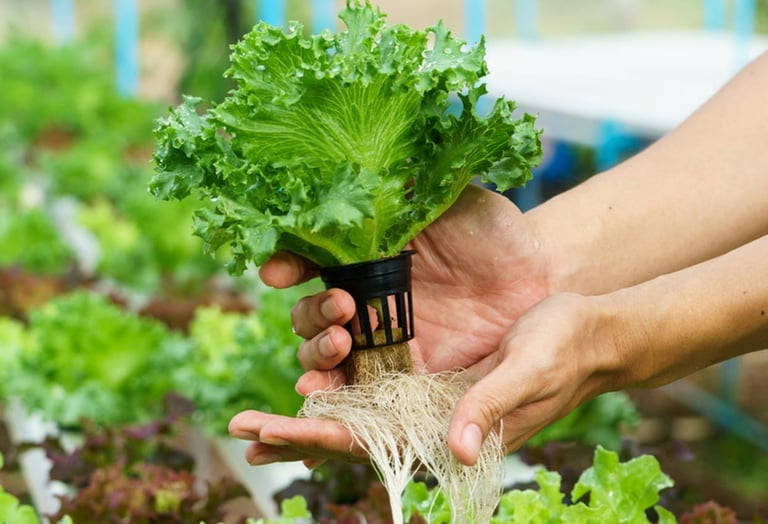
Indoor farming systems like hydroponics and vertical farms are also changing agriculture. Hydroponics grows plants in nutrient-rich water without soil, which allows faster growth. Vertical farms stack layers of plants indoors. This makes it possible to grow more crops in a smaller space while controlling light, temperature, and nutrients. These methods save water, energy, and space.
Revolutionizing Farming with New Methods
The future of farming is being shaped by new ways of growing food. Hydroponics delivers nutrients directly through water so plants can grow faster than in soil. Aeroponics sprays nutrients onto plant roots, using very little water while helping plants grow quickly. Both methods allow farming in places where soil is poor or land is limited.
Other modern strategies include precision farming. Sensors and software control exactly how much water, fertilizer, or light each plant gets. Controlled-environment agriculture allows crops to grow year-round in greenhouses or indoor facilities, no matter the weather. By combining these methods, farmers can reduce waste, save time, and increase production without overworking the land.
Efficiency and Sustainability
Modern farming is not just about saving time. It is also about using resources wisely. Automated systems reduce water waste, minimize chemicals, and save energy. Planting crops efficiently and monitoring conditions in real time helps farmers produce more food on less land. These methods also protect the environment and prepare us for challenges like climate change.
Hydroponics and aeroponics prevent soil erosion and reduce water pollution. They also make it possible to grow food closer to cities, which reduces transportation emissions. Combining technology with sustainable practices ensures we can feed more people without harming the planet.
The Future of Farming
The future of farming will combine technology, science, and innovation. Artificial intelligence will help farmers make smarter decisions about planting, watering, and harvesting. Robots and drones will take care of repetitive tasks. Hydroponics, aeroponics, vertical farms, and other modern methods will allow food to be grown in cities, deserts, and other challenging environments.
Smart sensors and precision technology will make sure every drop of water and nutrient counts. Farming will become more productive, sustainable, and less reliant on hard manual labor. This makes it possible to feed a growing population while protecting natural resources.
Times have changed, and so must farming. By using technology and new methods like hydroponics, aeroponics, vertical farming, and precision agriculture, we can transform the way food is grown. The future of farming will be smarter, faster, and more efficient. Farmers will spend less time on manual labor, use resources more carefully, and grow more food for the world. Farming is no longer just about hard work. It is about working smart and creating a sustainable future.
Join the Farming Revolution
Stay updated on modern farming techniques
Connect
Stay updated with modern farming techniques.
Contact
ridhima.anand11@gmail.com
© 2025. All rights reserved.